
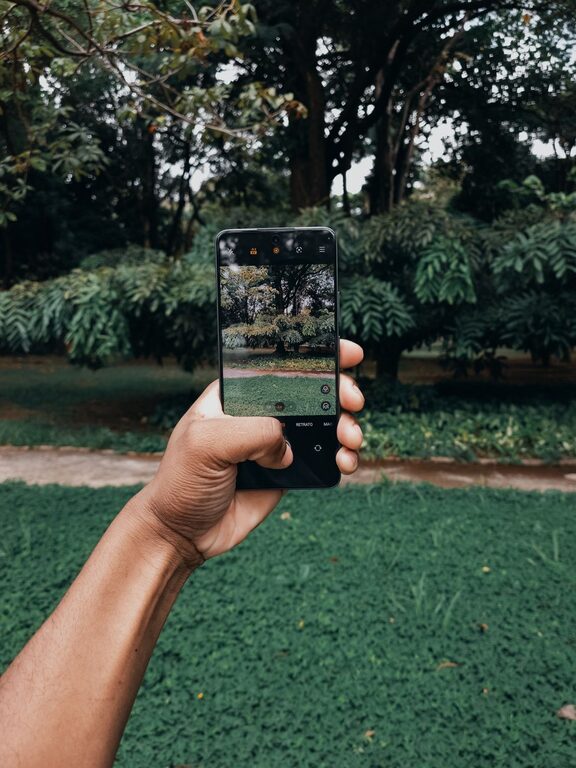
Taking great photos with your phone is easier than you might think. With the right techniques and a little practice, you can capture beautiful images that stand out. Whether you want to take portraits, landscapes, or everyday snapshots, these beginner tips will help you get the most from your phone’s camera.
Understand Your Phone’s Camera Features
Before snapping photos, take some time to explore your phone’s camera settings and modes. Most smartphones offer a range of features such as:
– HDR (High Dynamic Range): Helps balance light and shadows in tricky lighting.
– Grid lines: A helpful tool for composing your shots using the rule of thirds.
– Portrait mode: Adds blur to the background, making your subject pop.
– Night mode: Improves low-light photos by capturing more detail.
Experiment with these features to see what works best for different scenes.
Keep Your Lens Clean
It might sound obvious, but a clean lens makes a huge difference. Dust, fingerprints, or smudges can blur your images or create unwanted haze. Use a soft microfiber cloth to gently wipe the lens regularly.
Focus on Lighting
Good lighting is one of the most important factors in photography. Here’s how to use it to your advantage:
– Avoid harsh overhead sunlight that creates strong shadows.
– Early morning or late afternoon light (sometimes called “golden hour”) offers a warm and soft glow.
– When indoors, position your subject near a window to use natural light.
– Turn off your phone’s flash if possible; it often produces harsh, unnatural light.
– Use shadows and highlights creatively to add depth and interest.
Compose Your Shot Thoughtfully
Composition is about arranging elements in your photo to make it pleasing to the eye. Try these tips:
– Rule of thirds: Imagine your frame divided into nine equal parts by two horizontal and two vertical lines. Place your subject where these lines intersect.
– Leading lines: Use roads, fences, or pathways to guide the viewer’s eye into the photo.
– Symmetry and patterns: These can create visually striking images.
– Fill the frame: Get closer or zoom in to reduce distractions around your main subject.
– Avoid cluttered backgrounds when possible.
Hold Your Phone Steady
Shaky hands can lead to blurry photos. To keep your phone steady:
– Hold it with both hands.
– Rest your elbows on a stable surface.
– Lean against a wall or steady yourself by sitting down.
– Use the volume buttons or a Bluetooth remote to take pictures, so you don’t shake the phone when tapping the screen.
Use Focus and Exposure Controls
Most smartphones allow you to tap on the screen to set focus and adjust exposure (brightness). Try tapping on your subject to ensure it’s sharp. You can usually drag your finger up or down on the screen to brighten or darken the shot.
Avoid Digital Zoom
Zooming in digitally reduces image quality and makes photos look grainy. Instead, move closer to your subject when possible. If your phone has optical zoom, that’s a better option.
Experiment with Angles and Perspectives
Don’t just shoot from eye level. Try different viewpoints:
– Shoot from a low angle to make subjects look taller or more dramatic.
– Capture reflections in water or mirrors.
– Use overhead shots for flat lays, like food or objects arranged on a table.
– Move around your subject to find the most interesting perspective.
Edit Your Photos Thoughtfully
Editing can enhance your photos but keep it natural. Many phones have built-in editing tools for cropping, adjusting brightness, contrast, and saturation. Here are some editing tips:
– Crop to improve composition.
– Adjust brightness and contrast to make details pop.
– Increase saturation slightly for richer colors.
– Use filters sparingly to avoid overly artificial looks.
There are also free apps available that offer more advanced editing options if you want to explore further.
Practice Regularly
The best way to improve your phone photography skills is to practice often. Try taking photos in different lighting conditions, with various subjects, and experiment with editing. Review your photos to see what works and what could be better.
Conclusion
Taking better photos with your phone doesn’t require expensive gear or advanced skills. By understanding your camera’s features, focusing on lighting and composition, holding your phone steady, and practicing often, you can create images that you’ll be proud to share. Remember, photography is about creativity and fun—so get out there and start capturing your world!